The best time to win a customer is the week the keys change hands
Addresses that have transacted or changed occupancy, refreshed daily and matched to UPRN, so acquisition spend reaches the properties in the switching window.
Propalt Team · For utility companies
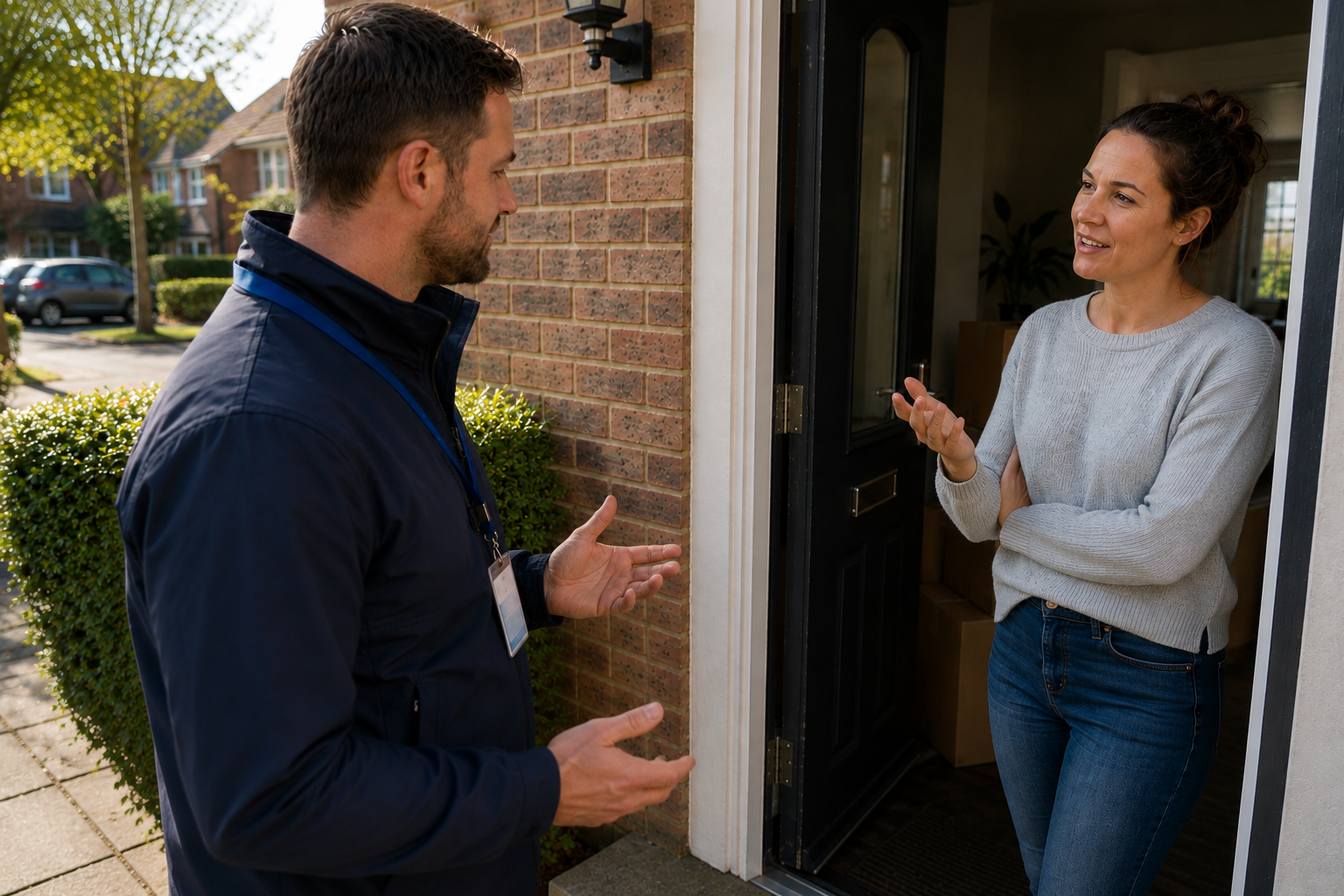
A new occupier is the most winnable customer you will ever have. They have no loyalty to the previous supplier, they are setting up services from scratch, and for a short window they are actively deciding who to sign with. Miss that window and the account settles onto a default deemed rate, and the person stops thinking about switching for years.
The problem is not knowing that the window exists. It is knowing which doors are in it right now. Campaigns aimed at a town or a region spend most of their budget on households that moved in six years ago and have no intention of switching. That is not wasted intent, it is wasted precision. The intent to acquire is fine. The targeting is pointed at the wrong unit.
The address is the unit, not the area
A transaction or a change of occupancy happens at a specific property, on a specific date, at a specific UPRN. That is the level acquisition should work at. When you can see that a property has just transacted or changed hands, and you can match it to a stable property identifier, the campaign stops being a spray across an outcode and becomes a list of addresses that are genuinely in play this week.
Refreshed daily, that list keeps moving with the market. A property that changed occupancy on Monday is on the list on Tuesday, when the new occupier is still opening accounts, not three months later when the decision is long made.
| Address (LS6 illustrative) | Occupancy change | Days in window | UPRN matched | Priority |
|---|---|---|---|---|
| Property A | Recent | 4 | Yes | High |
| Property B | Recent | 22 | Yes | Medium |
| Property C | None | n/a | Yes | Low |
The example above is illustrative. The point is that the ordering comes from property-level occupancy signals matched to UPRN, not a postcode-level estimate, so the first contact goes to the homes most likely to be choosing a supplier now.
Spend follows the window, not the map
Once acquisition is keyed to occupancy change at the address, the budget conversation changes. Instead of buying a region and accepting that most of it is out of market, you fund the properties that are actually in the window and let the rest fall away until they enter it. Fewer addresses, higher intent, and a clear reason to be in touch: welcome to the property, here is what you need to set up.
The household most likely to switch is the one that just moved in, and it is invisible on a regional map.
Matched to UPRN, the same list feeds your own address base cleanly, so a contact today can be measured against an account tomorrow without guessing which property it belonged to.
Target the window, not the region.
Try the Switching-window targeter → · propalt.ai
Property and occupancy signals are drawn from HM Land Registry and the Propalt intelligence layer. These are property signals, not eligibility decisions. Figures shown are illustrative. This article is general information for utility acquisition and planning teams.
Switching-window targeter
Turns transaction and occupancy signals into a daily, UPRN-matched list of addresses in the switching window, so acquisition spend goes to the properties in play rather than to a whole region.
🎯 Best used for
Acquisition targeting on new occupiers
🔌 Propalt APIs used
get_property_history search_properties