I have spent a fair amount of my career building on land I did not own. Not only the literal kind, though I have done plenty of that too. I mean the digital kind. Years of marketing built inside portals. Customer data poured into a CRM. Campaigns, automations and audiences assembled brick by brick inside platforms that, when you read the small print, belonged to someone else. I was renting, and I was paying for the privilege of doing the building work myself.
Most people reading this have done exactly the same, and for a long time it was the only sensible option. My argument here is that it is not the only option any more, and that creators, business owners and individuals should start thinking much harder about owning the machine they build, rather than renting space inside someone else's.
The bargain we all made
Strip it back and the deal every one of us accepted looks the same. A platform says: bring us your data and your effort, and we will give you capability you could not build yourself. MIT Technology Review described this recently as the tacit bargain of the cloud era, capability now and control later. You hand over the data, you get the power, and the question of who actually controls it gets quietly deferred to a day that never quite arrives.
Facebook is the purest version. You spent years building an audience there, posting, engaging, in many cases paying to reach the very people who already followed you. But you never owned that audience. You rented access to it on terms Meta set and changed at will. One change to the algorithm and the reach you built thins out overnight. One policy decision and the account is gone, and the asset with it. You can download your data. What you cannot download is the audience, the reach or the relationship, because those were never yours to begin with.
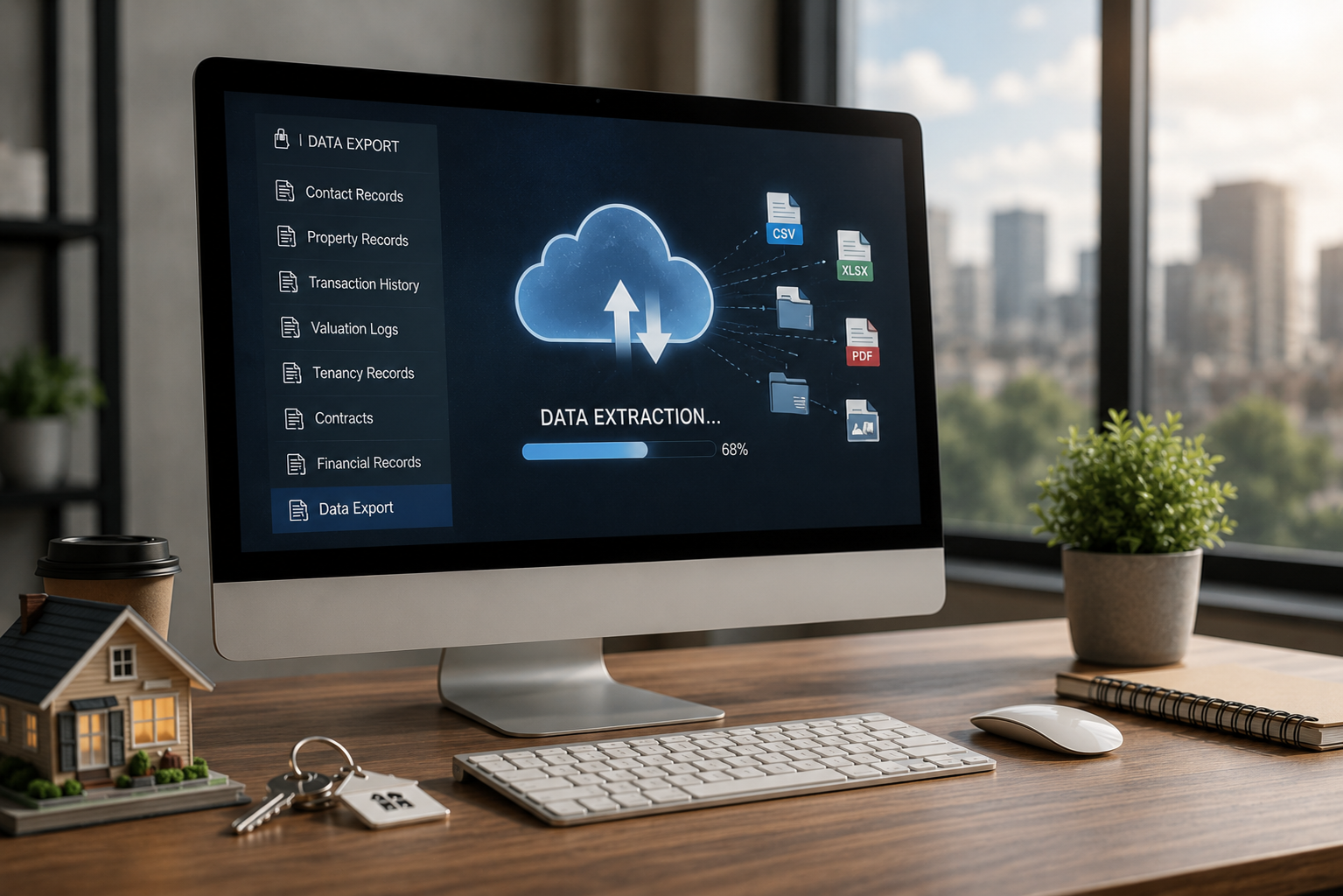
The CRMs are subtler, but the shape is identical. Salesforce and HubSpot will tell you, correctly, that you own your customer records and you can export them. Fair enough. But the records were always the cheap part. What you actually built over the years is the machine around them. The workflows. The automations. The integrations. The reports. The team knowledge. The thousand small configurations that make the thing run. None of that exports. The day you decide to leave, you find the data comes with you and the business you built around it does not.
I have watched businesses stay on a platform they had long outgrown purely because leaving cost more than staying. Extracting the data, rebuilding the workflows somewhere new, retraining the team, it all added up to more than another year of subscription, so they paid the subscription. That is not a happy customer. That is a hostage with an invoice.
Be fair about why we did it
I am not going to pretend this was stupidity. For twenty years, building your own was genuinely the worse option. The platforms worked. The network effects were real. Building infrastructure you owned was expensive, slow, and needed engineers most businesses did not have. Handing your data to a company that had already solved the hard problems was the rational call, and I made it again and again. If that bargain still held, I would still be making it. What has changed is not that the platforms got worse. It is that the alternative got dramatically better, and the maths flipped underneath us.
Why the maths flipped
Three things moved at once, and any one of them on its own would have mattered.
The law, the economics and the tooling all changed inside the same eighteen months.
The law caught up. The EU Data Act became applicable in September 2025, and it forces providers to remove the barriers to switching and to let you take your data out. Layer that on top of the long-standing right to data portability under GDPR, and “you cannot get your data out” stops being a defensible position for any serious vendor. Export is becoming the default rather than the favour.
The economics inverted. For three years the safe assumption was that you bought capability off the shelf because building your own was the expensive luxury. This year that flipped for a growing share of work. Open models now run something like ten to twelve times cheaper than the frontier services at comparable capability, which means owning your own setup is no longer the premium option. One analysis put the penalty for unplanned vendor lock-in at sixteen times the planned cost, and found that around seventy per cent of executives now believe owning their data and platform genuinely matters.
And the tools opened up. This is the part that matters most for an individual or a small business, because it used to require an engineering team and now does not. You can build your own tools, skills and projects inside AI systems, point them at your own data, and keep that data in formats you can export whenever you want. Open standards mean the thing you build can connect to whatever you already run, rather than living trapped inside one vendor's walls, and you can swap the model underneath without rebuilding the business on top. That was science fiction for a one-person operation three years ago. It is a Tuesday afternoon now.
What owning the machine actually means
I want to be precise, because “own your data” has become a slogan and slogans are cheap. It does not mean running your own servers in a cupboard, and it does not mean becoming a software company. It means something simpler and more useful. The intelligence you build, the tools, the automations, the accumulated work, sits on data you control and in formats you can take with you.
In practice it comes down to three questions you should be able to answer without flinching. Could I export everything today, in a format I could actually use somewhere else? Could I swap the underlying system without rebuilding my business? If the provider changed its prices or its rules tomorrow morning, would I be trapped? If the honest answer to any of those is no, you are renting, however much you have spent and however much it feels like yours.
I will declare my interest plainly. This is the principle Propalt is built on, an open layer where the data is yours to take and the tools you build with it connect to whatever you already use. But the principle stands whatever you choose to build with. Own the machine, or at the very least make sure you could walk away with it.
The shift worth making
Here is the practical version, and it applies whether you are a creator with an audience, a business owner with a customer base, or an individual who has quietly handed a decade of personal data to half a dozen apps. Stop measuring a platform only by what it lets you do today. Start measuring it by what you would keep if you left.
The convenience of building inside someone else's walls is real, and on day one it always looks like the easy choice. The cost shows up later. It shows up the day you want to leave, or change direction, or the day they change on you. By then the machine you built is theirs, and you are standing in the car park with a CSV file and a decade of work you cannot take with you.
So build on ground you own. The tools to do it finally exist, the law is finally on your side, and the economics finally make sense. The only thing left is the decision, and that one was always yours to make.
Sources and further reading
— Data ownership, portability and the EU Data Act in SaaS contracts — CloudNuro
— The build-vs-buy inversion, lock-in penalties and sovereignty — Digital Applied (June 2026)
— Renting access to your own knowledge, egress fees and switching costs — Scalefree
— From renting AI to owning AI, digital sovereignty explained — Red Hat
Co-founder of Propalt and a property investor and developer for 20 years